Jesus Wall Art: A Designer’s Real-World Embroidery Review
First Impression: Calm, Clear, and Craft-Ready
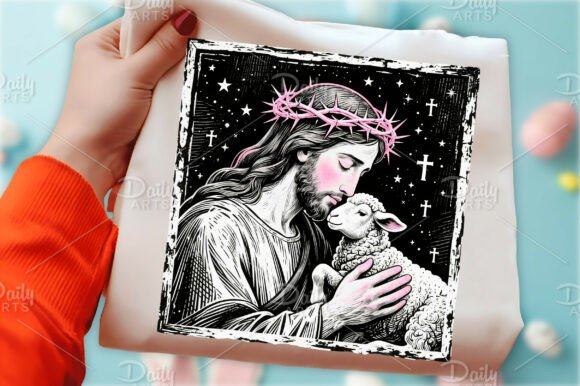
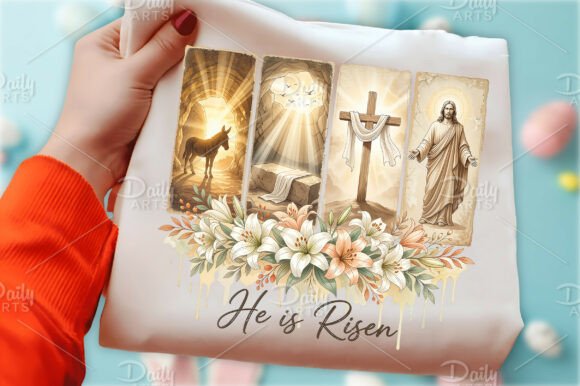
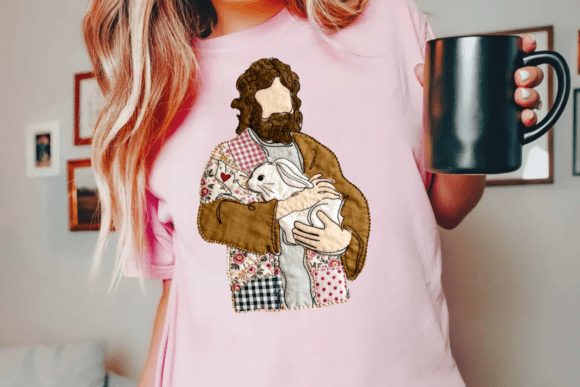
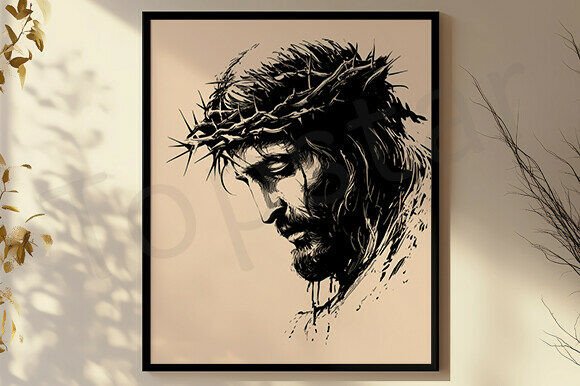
When I opened the Jesus Wall Art embroidery file, what struck me first wasn’t religious symbolism—it was composition. The design sits cleanly within a balanced vertical frame, with gentle negative space around key elements like hands, a simple cross motif, or soft script lettering. It reads as quiet—not loud or ornate—making it ideal for nursery decor, boutique baby blankets, or minimalist kitchen towels. As an Illustrations-category piece, it leans into line integrity over dense texture, which tells me it’ll translate well across fabric types without overwhelming stitch density.
Real Project Test: A Custom Embroidered Tote for a Faith-Based Boutique
Last week, I prepped a small-batch run of canvas tote bags for a local faith-centered gift shop—think earthy linen-blend canvas, charcoal gray base, and hand-stitched hems. I chose Jesus Wall Art for the front panel because its proportions scaled cleanly to a 4×4 hoop, and the clean outlines held up when resized to 3.2 inches tall. No jagged edges. No lost detail in the curve of the wrist or the spacing between words. Customers responded not just to the message—but to how *crafted* it felt. That’s the difference between a digital embroidery file and a thoughtful embroidery project: clarity invites trust.
Where It Shines (and Where It Needs Care)
Jesus Wall Art works beautifully on:
- Stable fabrics like medium-weight cotton tea towels, twill aprons, and structured sweatshirt fronts—its moderate stitch density holds shape without puckering.
- Personalized gifts, especially baby embroidery on onesies or bibs: the simplicity avoids overcrowding tiny surfaces, and the theme resonates with grandparents, godparents, and church welcome committees.
- Commercial embroidery for small shops—think embroidered patches for volunteer teams, stitched labels on handmade prayer journals, or subtle chest embroidery on unisex crewnecks.
- Etsy sellers bundling digital embroidery files: this design pairs naturally with neutral mockups (linen pillow covers, oatmeal canvas totes) and reads well in both color and grayscale previews.
But here’s where I pause—and why I always test before cutting fabric:
- Stretchy or thin fabrics (like jersey baby onesies or lightweight rayon scarves) need extra stabilizer support under the hoop—especially where fine script appears. Running stitch sections can shift if tension isn’t dialed in.
- Curved surfaces like caps or hats? Not impossible—but avoid placing the full design across the crown seam. Better as a clean side-embroidered patch or simplified version.
- Dark fabric demands careful thread color choice. The original file likely assumes light backgrounds; I switched to matte ecru and deep charcoal threads for contrast on navy denim totes—no glare, no loss of legibility.
- Frequent-wash items (kitchen towels, kids’ clothing) benefit from satin stitch borders around text elements. Fill stitch alone can soften over time—adding that crisp edge keeps the Jesus Wall Art looking intentional, not faded.
Design Judgment: Beyond Aesthetics
This isn’t just about whether it “looks nice.” As a designer who ships embroidered goods weekly, I ask: Does Jesus Wall Art elevate the finished product? Yes—if used intentionally. Its restraint makes it feel handmade, not mass-produced. That matters for Etsy sellers pricing at $45+ for a custom pillow cover or for craft fair vendors building repeat customers. Buyers don’t just buy faith-themed decor—they buy peace, intention, and care. This design delivers that quietly.
It also supports brand consistency. Whether you’re stitching for a church nursery, a Christian apparel line, or your own small shop, Jesus Wall Art doesn’t shout. It aligns. No clashing fonts, no visual noise—just cohesion. That builds recognition faster than flashy graphics ever could.
Practical Notes Every Embroidery Designer Should Check
Before adding Jesus Wall Art to your next client order or digital product bundle, do these five things:
- Test on scrap fabric first—especially if using textured weaves or blends. See how fill stitch settles into the grain.
- Review thread color contrast in natural light. What reads clearly on screen may vanish on oatmeal linen or heather gray fleece.
- Confirm hoop size compatibility. If your machine maxes out at 3.9 inches wide, check whether the design fits comfortably—or if minor scaling preserves integrity.
- Inspect small details like dot accents or serif endings. Zoom in on your embroidery software. If they’re under 0.8mm, consider simplifying or switching to running stitch for stability.
- Verify licensing. Since this is an Illustrations category file, confirm whether it’s cleared for commercial embroidery use—including sale of physical items and resale of digital embroidery files. When in doubt, contact the creator directly.
Final Thought: A Quiet Anchor in a Busy Niche
In a market flooded with busy, high-density religious embroidery designs, Jesus Wall Art stands out by breathing room. It doesn’t demand attention—it earns it. That makes it unusually versatile: equally at home on a baptismal blanket, a pastor’s coffee sleeve, or a small shop’s holiday gift tag. For craft business owners, it’s not just another machine embroidery design. It’s a reliable, respectful, stitch-ready asset—one that helps your handmade product feel grounded, not generic.
If you’re evaluating Jesus Wall Art for your next batch of embroidered patches, custom apparel, or digital product listings: trust your eye, but test your thread. Let the design speak softly—and let your craftsmanship carry the weight.